


Artificial Turf vs. Real Grass in Utah: Which Saves More Money Long-Term?
- Landscaping
-
Comment (0)

Artificial Turf vs. Real Grass in Utah: Which Saves More Money Long-Term?
Artificial Turf vs. Real Grass in Utah: Which Saves More Money Long-Term?
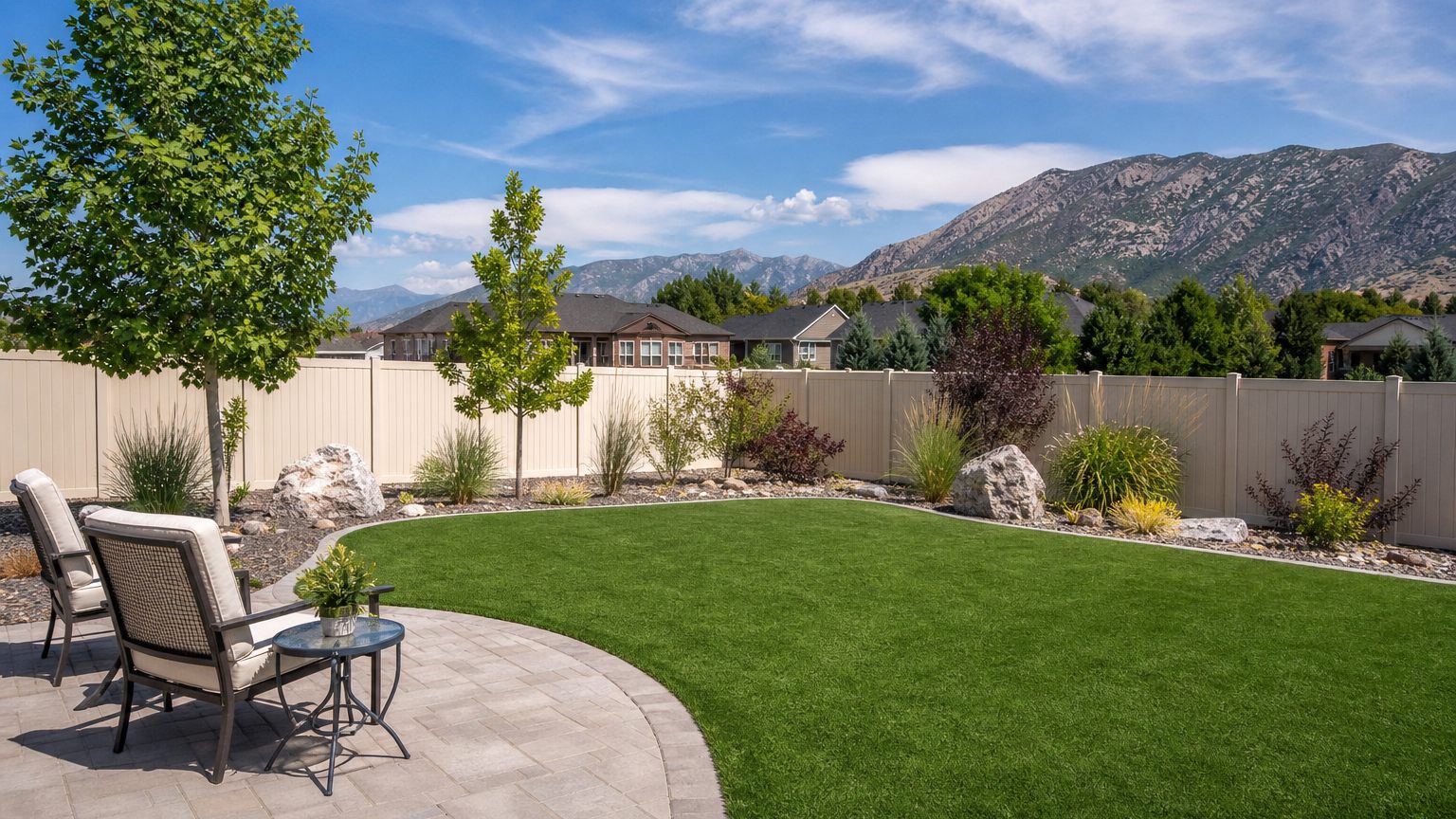
With Utah’s hot summers, ongoing drought, and rising water rates, more Northern Utah homeowners are asking a simple question: is artificial turf actually cheaper than real grass over time? The honest answer is that turf costs more upfront but usually wins on long-term cost—especially in our climate. Here is a clear, no-hype breakdown of where the money really goes.
Quick Comparison at a Glance
- Artificial turf — High upfront install cost; almost no water or mowing; minimal annual maintenance; lasts roughly 15–25 years.
- Real grass — Lower upfront cost; ongoing water, mowing, fertilizing, and seasonal repairs; can last indefinitely with continued care and cost.
Neither option is automatically “cheaper.” The right choice depends on your yard size, how much water you use, how you use the space, and how long you plan to stay in the home.
Upfront Cost: Real Grass Wins
There is no way around it—getting started is cheaper with natural grass. Seeding or laying sod, basic grading, and a standard sprinkler system cost far less per square foot than a professional turf installation.
Artificial turf carries a higher initial price because of the materials and the labor-intensive base work: excavation, a compacted aggregate base, weed barrier, the turf itself, infill, and secure edging. Done right, that base is exactly what makes turf last—but it is also why day-one costs are higher.
Where Turf Earns It Back: Water
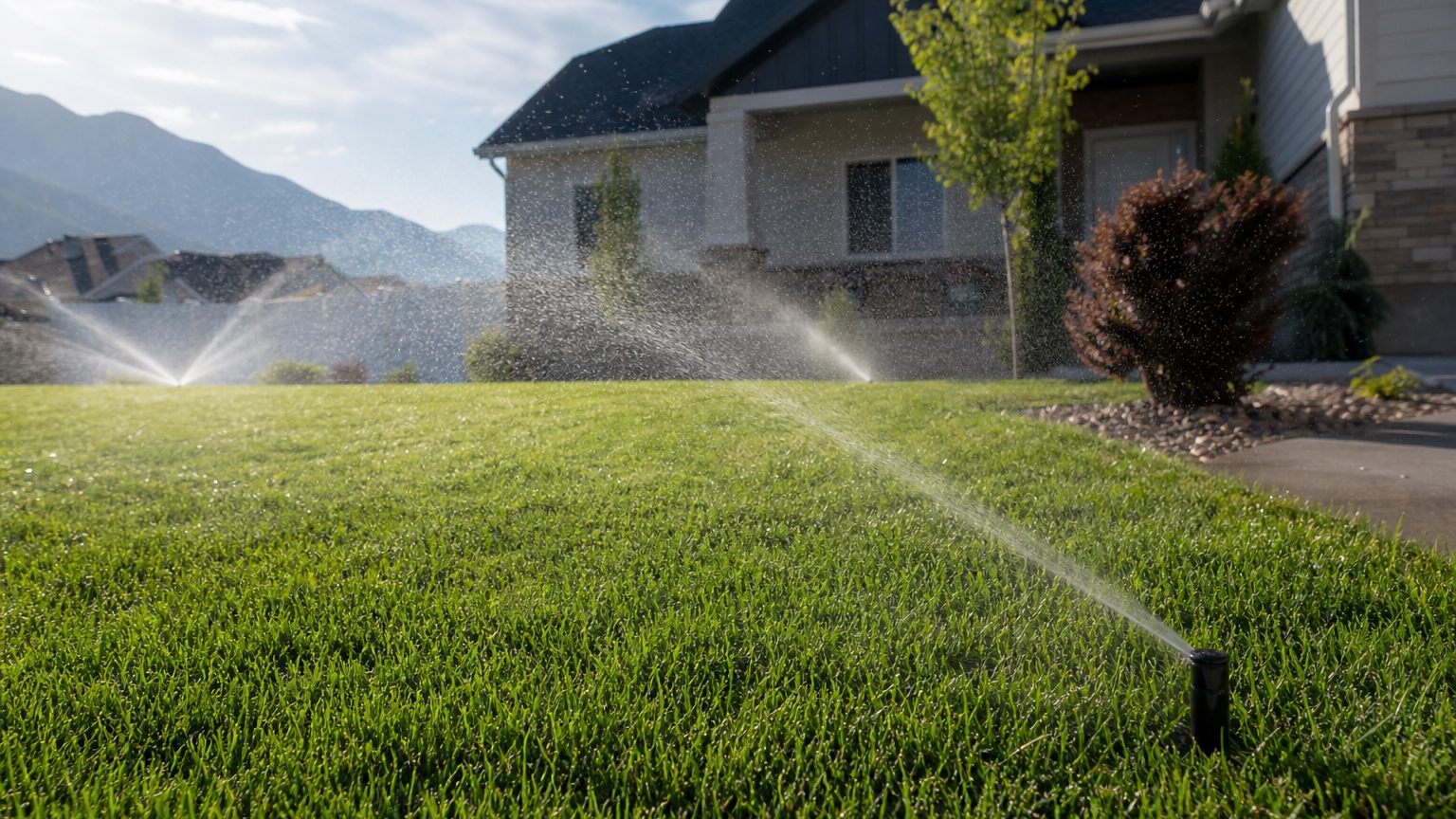
This is the biggest swing in Utah. Real grass needs steady irrigation through our long, dry summers, and water rates in many Northern Utah cities keep climbing. A typical lawn can use thousands of gallons every month in peak season, and that cost repeats every single year.
Artificial turf uses essentially no irrigation water—an occasional rinse at most. In a drought-prone state with tiered water pricing, eliminating summer lawn watering is often the single largest long-term saving. The bigger your lawn and the higher your water rate, the faster turf pays for itself.
Ongoing Maintenance Costs
Real grass
- Weekly mowing (your time, or a mowing service)
- Fertilizer, weed control, and aeration
- Spring overseeding and bare-spot repair
- Sprinkler repairs, adjustments, and winter blowout
- Summer water bills, year after year
Artificial turf
- Occasional rinsing and brushing of high-traffic areas
- Removing leaves and debris
- Pet-area cleanup as needed
- No mowing, fertilizing, or reseeding
Those recurring grass costs are small individually but add up significantly across a decade—especially when you value the hours spent on yard work.
The 10-Year Picture
To compare fairly, look past year one. With real grass, add up a decade of water, mowing, fertilizing, and sprinkler upkeep. With turf, take the higher install cost and add only minor cleaning over the same period.
For most Northern Utah yards, the lines cross somewhere in the middle years: turf is more expensive at first, then the steady savings on water and maintenance close the gap and pull ahead. Larger lawns, higher water rates, and longer time in the home all tilt the math toward turf.
When Real Grass Still Makes Sense
- You are on a tight upfront budget
- You genuinely enjoy a natural, growing lawn
- Your lawn is small, so water costs stay modest
- You may sell soon and do not want a large initial investment
When Artificial Turf Wins
- You want to cut water bills and conserve in a drought
- You are tired of mowing and seasonal lawn repairs
- You have problem areas—deep shade, slopes, or pet zones—where grass struggles
- You plan to stay long enough to recoup the upfront cost
Many homeowners do a hybrid: artificial turf for the high-use or hard-to-grow areas, and a smaller patch of real grass or low-water landscaping elsewhere to balance cost and feel.
Don’t Skip the Base Work
Just like with hardscape, turf failures almost always trace back to the base—not the product. Quality turf installed over a properly excavated, compacted, well-draining base stays flat, drains after storms, and lasts for years. Cheap installs over poor base work ripple, hold odors, and shorten lifespan. If you compare turf bids, make sure base depth, drainage, infill, and edging are all included.
Get a Professional Opinion
Gold’s Landscaping installs artificial turf and full natural-lawn landscaping across Northern Utah. We will measure your yard, estimate your real water and maintenance costs, and show you the honest long-term numbers—so you choose the option that actually saves you money for your situation.
Call 801-824-1453 for a consultation, or contact us online.